Where you are
A quiet coastal town and a working medina ask different things of you. The place sets the rhythm before any advice does.
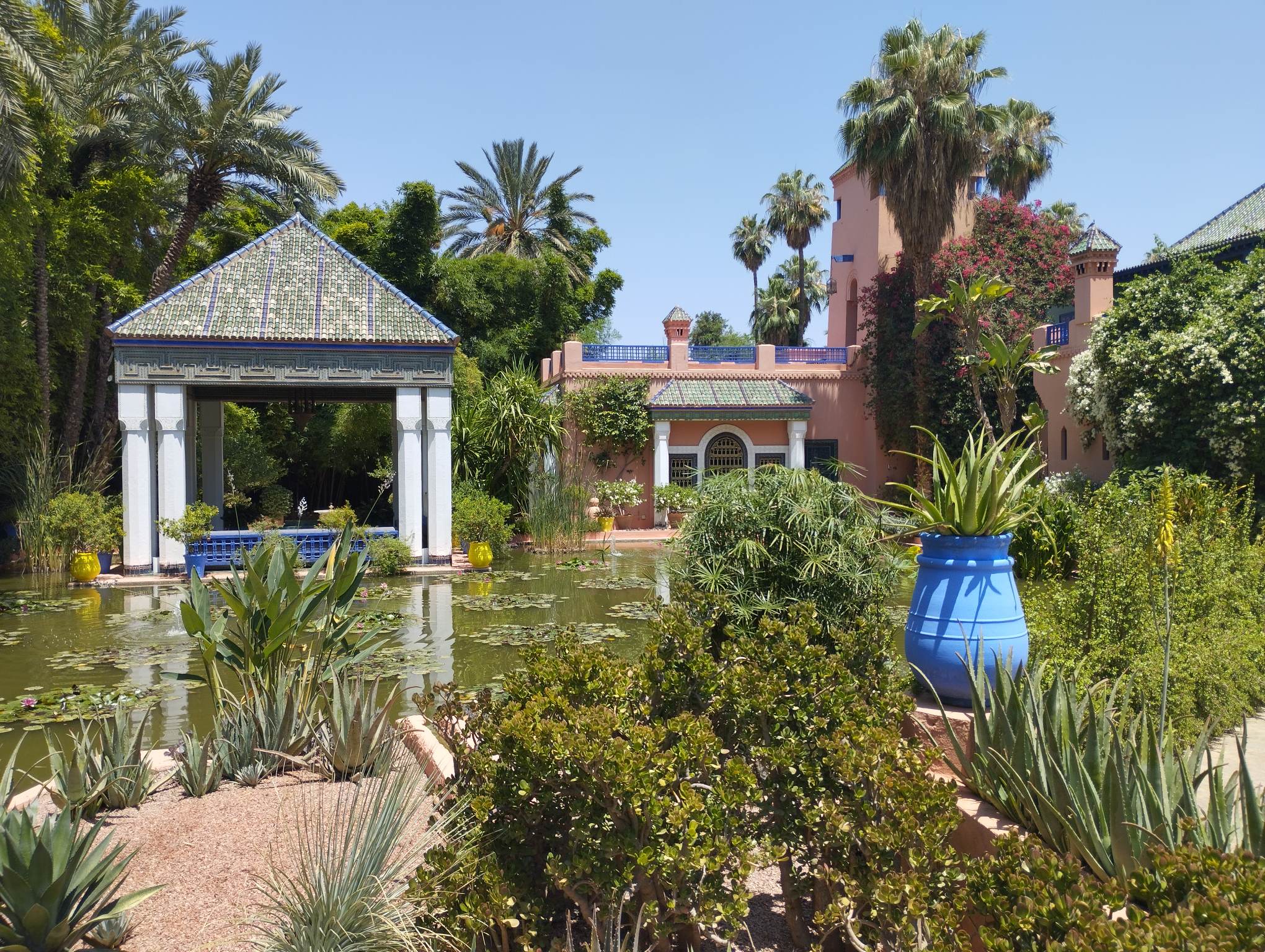
Is Morocco safe for solo female travellers? The honest, specific answer. What to expect, how to handle harassment, what to wear, and why women return.
Morocco is manageable as a solo female traveller.
02Let’s be specific, because vague warnings help nobody.
03These are the approaches that actual solo female travellers in Morocco report as effective:
Last updated: March 2026
“Would I go back as a solo female traveller? Absolutely. In a heartbeat.”
That is a real account from a woman who spent 12 days in Morocco alone. It is also not the only kind of account. Here is the complete picture.
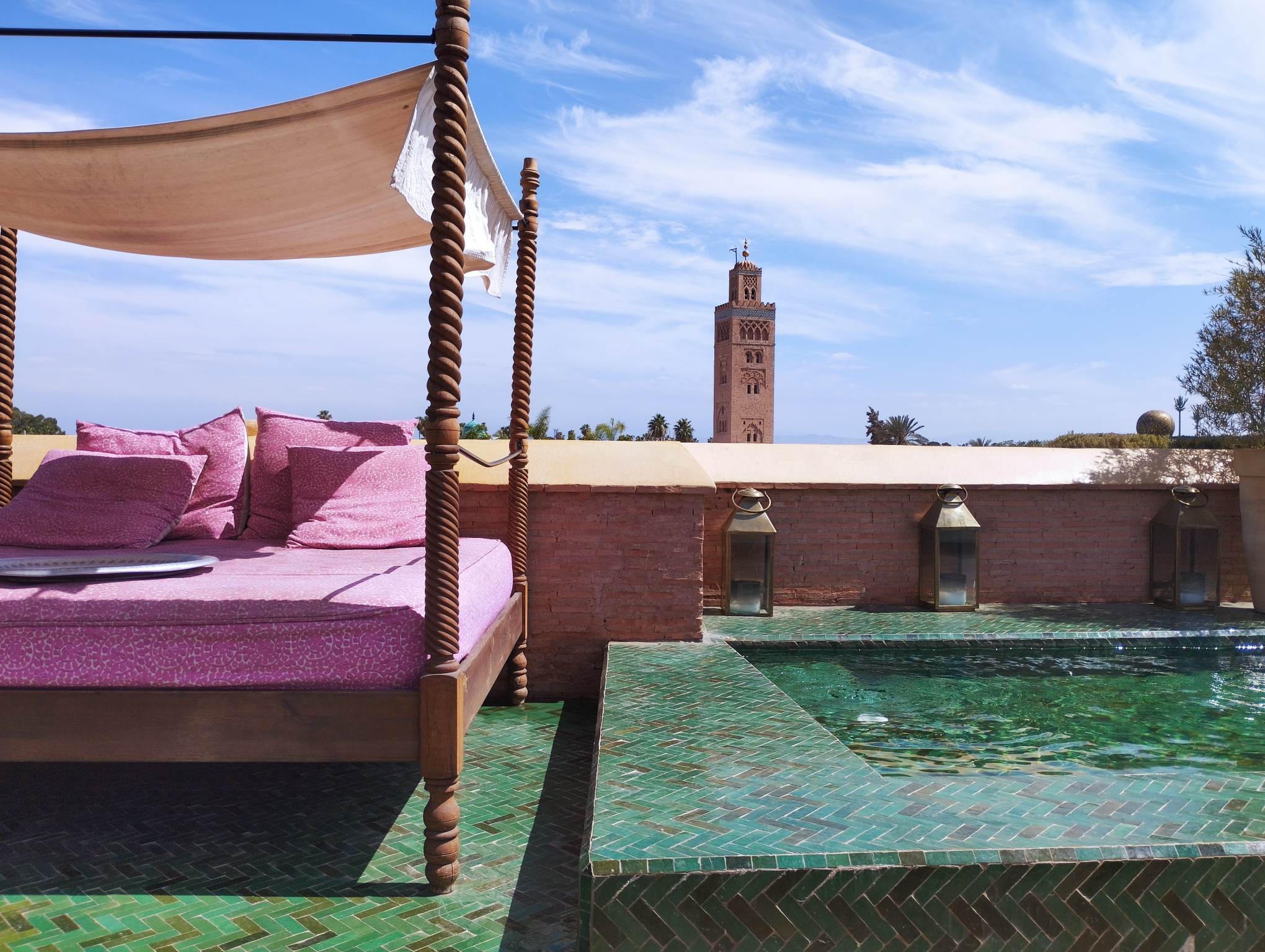
What you need is the honest middle ground, which is what this guide is.
Morocco is manageable as a solo female traveller. It is not always comfortable in the same way that travelling solo in, say, Portugal or Japan is comfortable. Street harassment is real, frequent, and something almost every solo woman in Morocco encounters. It is also not the whole story, and it does not have to dominate the trip.
The women who struggle most in Morocco are usually the ones who were given only one kind of information beforehand: either “it’s totally fine, don’t worry about it” (too optimistic), or “it’s a nightmare for women” (too alarming and inaccurate). Both framings fail you. What you need is the honest middle ground, which is what this guide is.
The women who have the best experiences are prepared. They know what to expect. They know the tactics that work. They book riads where they feel genuinely safe. They dress in a way that reduces unwanted attention without abandoning themselves. They go, and they come back having experienced one of the most extraordinary countries in the world.
Let’s be specific, because vague warnings help nobody.
Common forms of harassment in Morocco:
What it generally is not: threatening, violent, or escalatory in the way that can happen in some other destinations. The harassment is generally from men wanting money, a sale, or female attention. When ignored firmly and consistently, it almost always stops.
One account that captures the experience well: “One guy followed me and did not stop to bother me until I decided to follow him because there was no way to get him out of my way and I was a little bit scared.” That is an honest description of a worst-case interaction: uncomfortable, persistent, ultimately resolved without physical threat.
Another: “Local men persistently following me through markets and scammers demanding money for items I didn’t want to buy.” Tiring. Frustrating. Not dangerous.
The experience varies significantly by city. Marrakech and Fes medinas have the highest concentration of harassment. Chefchaouen and Essaouira are considerably more relaxed. The coast and the Sahara are generally comfortable.
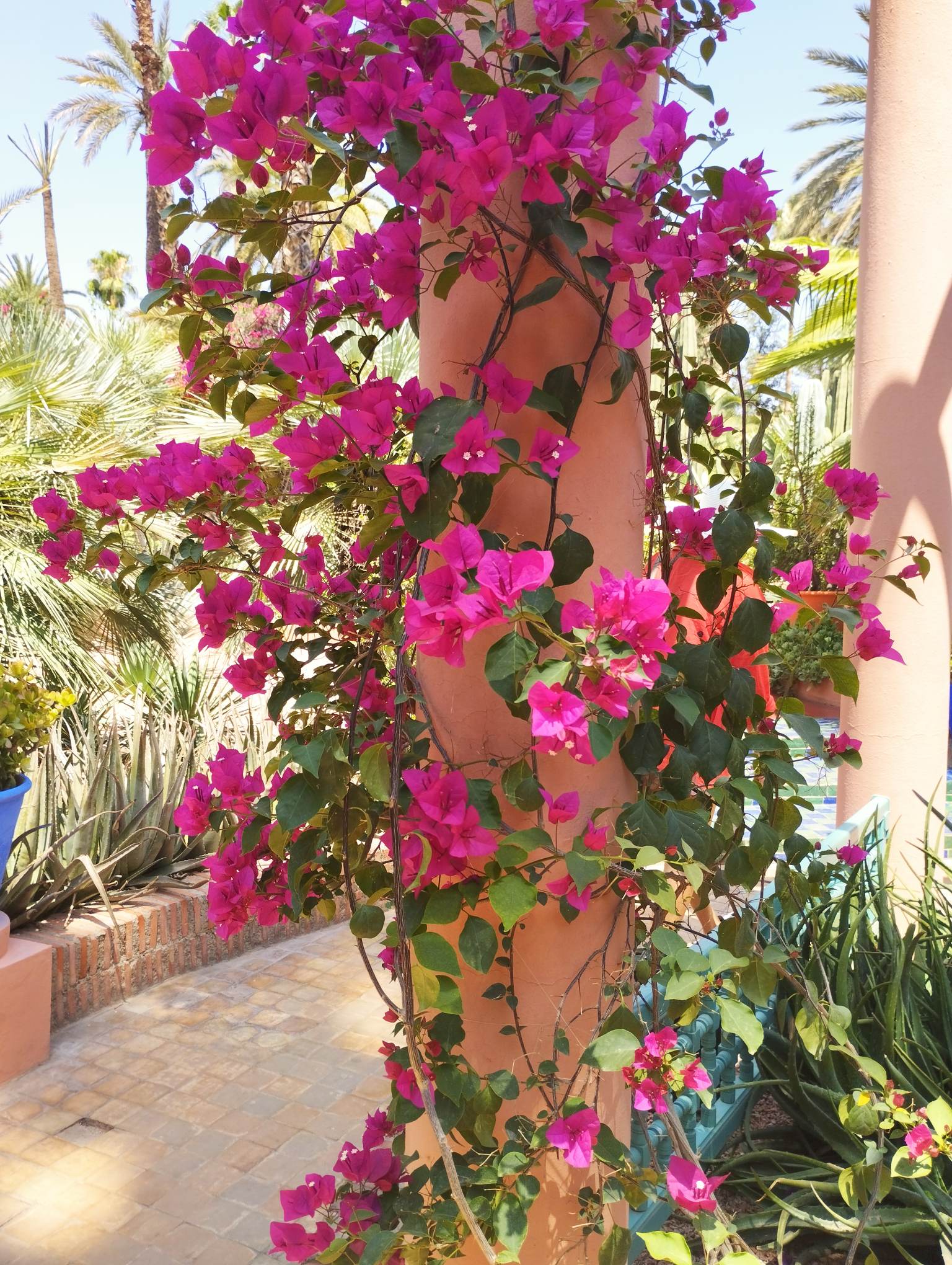
These are the approaches that actual solo female travellers in Morocco report as effective:
The flat no. “La shukran” in Moroccan Arabic, delivered without eye contact and without breaking stride. Not “sorry, no,” not “I’m fine, thank you.” Just “la shukran” and keep walking. Eye contact and engagement extend interactions. Ignore the guilt framing (“I just want to talk,” “you are in my country, you should be respectful”). It is a tactic, not a genuine social complaint.
Don’t be confused for lost. Standing still studying a map or phone in the medina signals uncertainty and invites approach. Step into a doorway or a shop entrance before checking your map. Appear like you know where you’re going, even when you don’t.
Use your riad. Good riads in Morocco are not just accommodation. They are your home base and your local knowledge hub. Tell your riad owner where you’re going. Ask them which restaurants to use, which routes to avoid in the evening, how to handle a specific situation. They have seen everything and they want their guests to have a good experience.
Dress modestly in medina cities. This is not victim-blaming. It is practical advice that reduces the frequency of harassment. Loose linen trousers or a long skirt with a covered top. A scarf that can cover shoulders. In Chefchaouen and Essaouira, the dress code is more relaxed. In Marrakech and Fes medinas, covering up reduces unwanted attention materially. See the full what to wear guide.
Travel with other women where possible for the medina. Even meeting another solo traveller at your riad to explore the medina together for a day changes the experience. Paired women attract significantly less attention than solo women.
Evening movement. After dark in the medinas, stick to well-lit main streets. The backstreets of Marrakech and Fes medinas at 10pm are not the place for exploring. This is less about danger and more about making navigation manageable in the dark.
The most comfortable city for solo female travellers.
Challenging but essential. The medina is intense, the harassment is real, and it is also one of the most spectacular urban environments on earth. Most solo women who have done Marrakech say the first day is the hardest and that it settles significantly once you find your footing.
The most comfortable city for solo female travellers. Smaller, slower, and genuinely calmer than the imperial cities. A good choice for easing into Morocco or as a recovery stop between more intense cities.
Coastal, relaxed, with a long history of artistic tourism that has produced a more laid-back atmosphere than Marrakech. Well recommended for solo women, particularly those who find the larger medinas overwhelming.
Beautiful and worth visiting. The medina is more intense than Chefchaouen but the harassment is less concentrated than Marrakech. A licensed guide for the first day in Fes is worth considering, it genuinely transforms the experience of the medina.
See our full city comparison for solo women.
The riad experience is genuinely one of the best things about Morocco. A good riad in the medina is calming in a way that makes the city feel manageable: a locked door between you and the noise, often a rooftop terrace, an owner who knows the area and will look after you.
What to look for when booking:
See our female-friendly riads guide.
“Would I go back as a solo female traveller? Absolutely. In a heartbeat.”
That is the most common response, once the trip is over. The women who struggle most are those who went in with no preparation. The women who loved it went in knowing what to expect.
Morocco is a country that rewards you for doing it properly. The medinas, once you get your footing. The Sahara, with the right camp. Chefchaouen in the early morning before the tour groups arrive. A riad rooftop at sunset with mint tea.
None of that is inaccessible to solo female travellers. Go prepared and go.
Next: Morocco Safety Guide | Morocco Scams Guide | Where to Stay in Morocco
A quiet coastal town and a working medina ask different things of you. The place sets the rhythm before any advice does.
Season, daylight and how busy a route is will move the answer more than most checklists admit.
Pace, company and how much you have travelled before matter more than a list of rules.
A short guided orientation can remove a lot of guesswork on a first visit, especially in a city you are trying to read on foot. It is a low-effort way to settle in.
Explora Morocco does not run tours. What follows is a partner listing, so check the pace, route and what is named on the page itself before booking.
See suitable toursParent pillar: Morocco first-trip guide
Conditions, rules and local realities change. Before you travel, verify entry information, current advice and anything practical this guide describes. A guide stays useful only while its information is current.
Manageable, yes. Entirely comfortable in the Western European sense? Not consistently. The honest answer is that street harassment is real and frequent in the major medinas. It is not violent and it does not need to dominate your trip with the right preparation. Most solo women who visit Morocco say they’d go back.
Loose, breathable clothing that covers knees and shoulders in the medina cities. A scarf that can cover your hair when entering mosques or religious spaces. Coastal cities and Chefchaouen are more relaxed. The Sahara is separate again: the desert is cold at night so layers are practical regardless of the dress code question. See the complete what to wear guide.
Yes. First-time solo travel and first-time Morocco are both achievable, but the combination is a steeper learning curve than either alone. If you’re new to solo travel, consider starting with a 2-3 day group tour from Marrakech (to the Sahara, or a guided day in the medina) before going fully independent. This gives you the structure and confidence to then explore alone.
Relative to many cities in the world, yes. The risk of violent crime is low. The experience of walking through the Marrakech medina alone at night is not always comfortable due to persistent attention. Stay on well-lit main streets after dark. The main square (Jemaa el-Fnaa) at 9pm is full of people, well-lit, and manageable. The backstreets are not recommended for solo late-night navigation on the first visit.
Stop. Turn to face them. Say “la” (no) loudly and clearly. This is different from the passive “la shukran” for verbal approaches: make it a command. If physical contact continues, attract attention from nearby people or move toward any visible security presence. Physical confrontation that escalates beyond grabbing is rare, but do not feel you need to be polite when someone has put their hands on you.