01
Time
How long do you have to travel?
Choose your pace
Morocco travel tips for first-time visitors. What to wear, packing list, visas, cash, culture shock, language basics, and what to expect when you land.
Most English-speaking visitors do not need a visa for Morocco.
02This is one of the most-searched Morocco questions and it matters more than most travel guides acknowledge.
03Essentials:
How long do you have to travel?
Choose your paceWhere do you want to go?
Explore routesHow will you get around?
See your optionsWhat kind of place suits you?
Choose where to stayWhere will help make the difference?
See suitable tours
Many people, offers and opinions.
Use official desks and take your time.
Quick talk and animated discussions.
Listen, smile and ask for a calmer moment.
Things move at a different pace.
Stay patient and go with the flow.
Medinas can feel like a maze.
Save your stay location and ask for directions.
Pass through arrivals with less stress. Find official desks, a taxi or transfer, and a way to reach your stay.
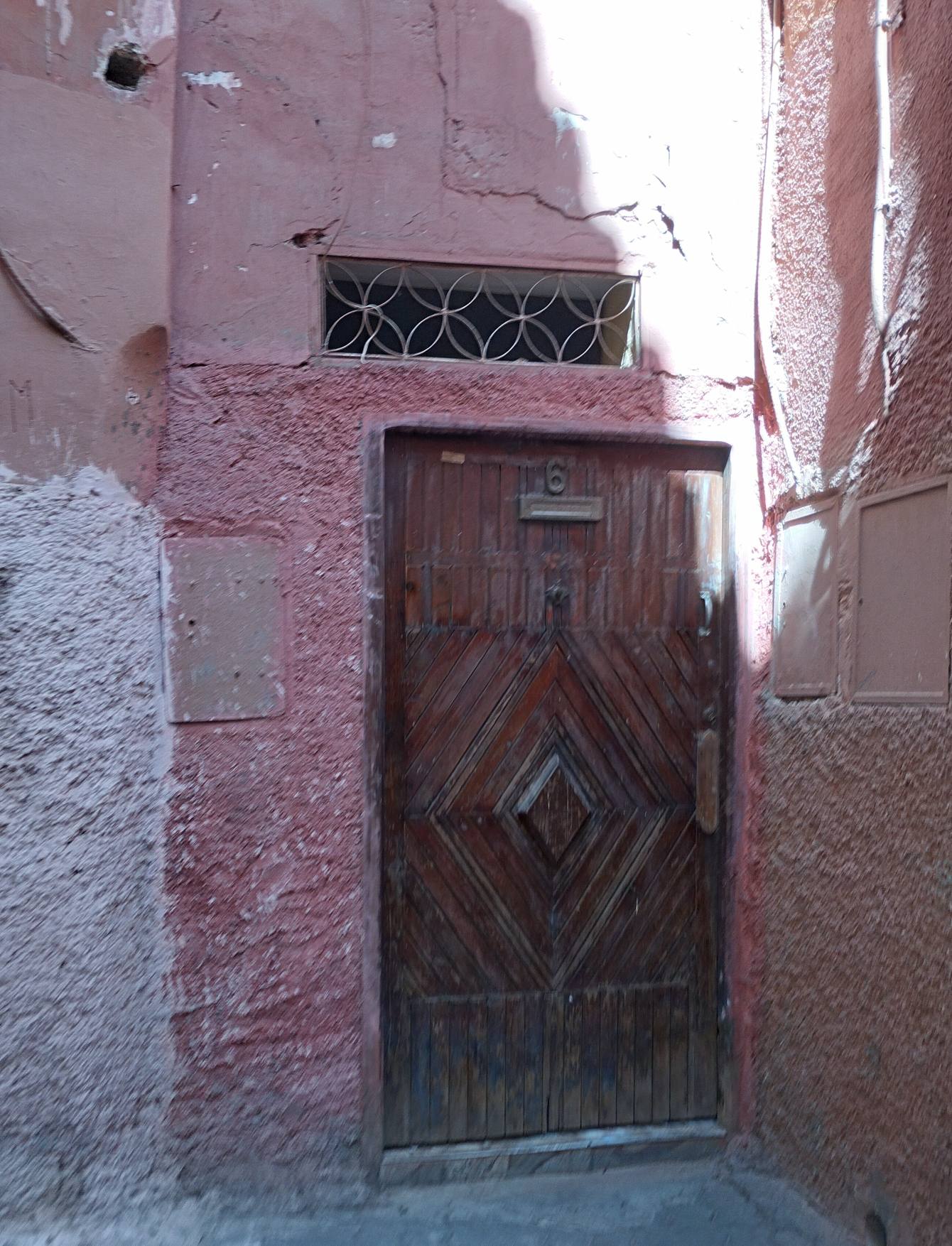
Check in, rest and reset. Water, a short break and a local SIM help you land well.
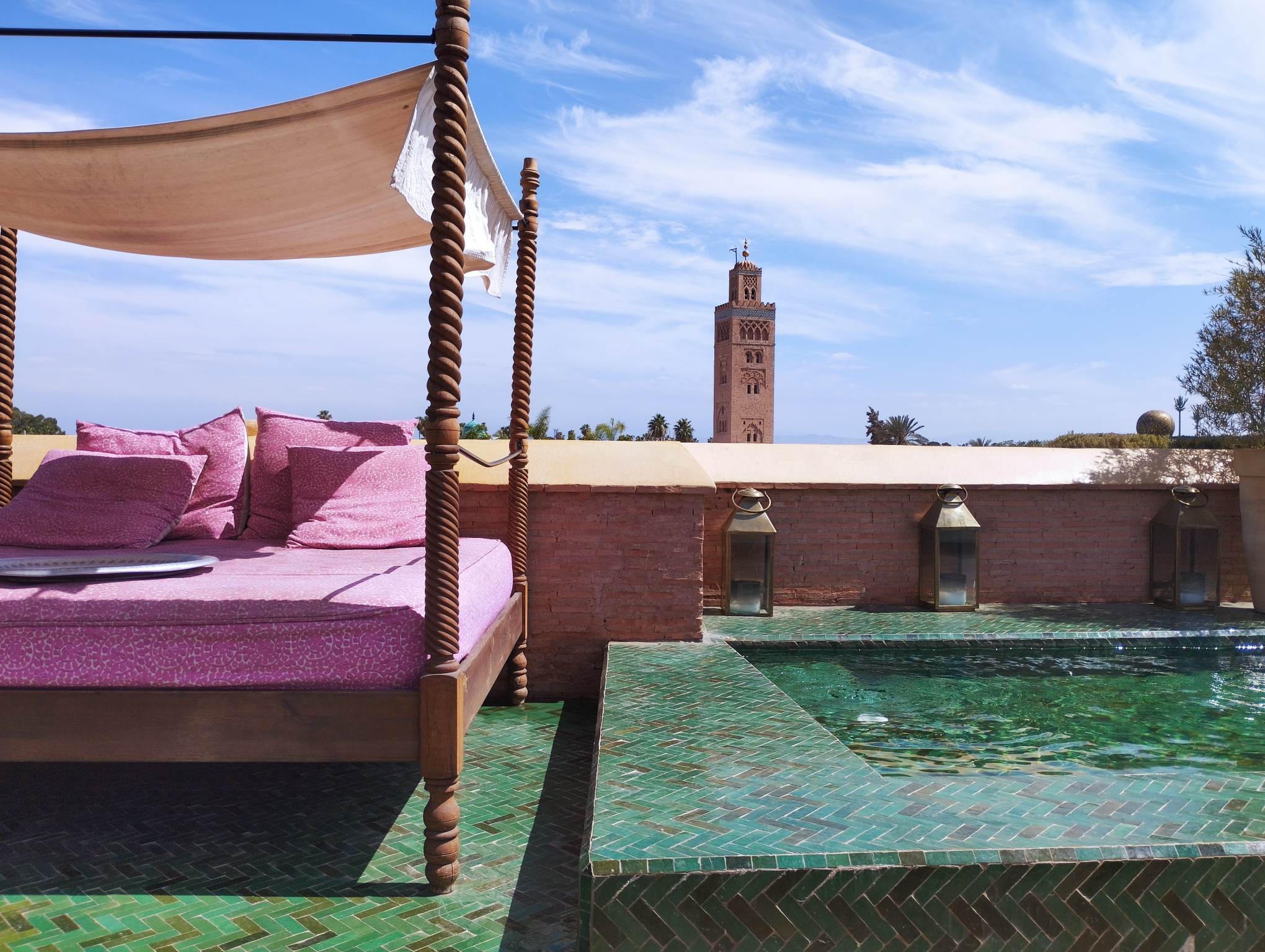
Explore close to home. Walk nearby, find a cafe and get a feel for the place.
Check before relying on it.
Useful for small shops and tips. Carry manageable amounts.
Widely accepted in bigger places. Tell your bank and carry a backup.
Common in cities and towns. Agree the meter or use apps.
Comfortable for longer distances. Book ahead in busy periods.
Best from airports or in new cities. Pre-book for peace of mind.
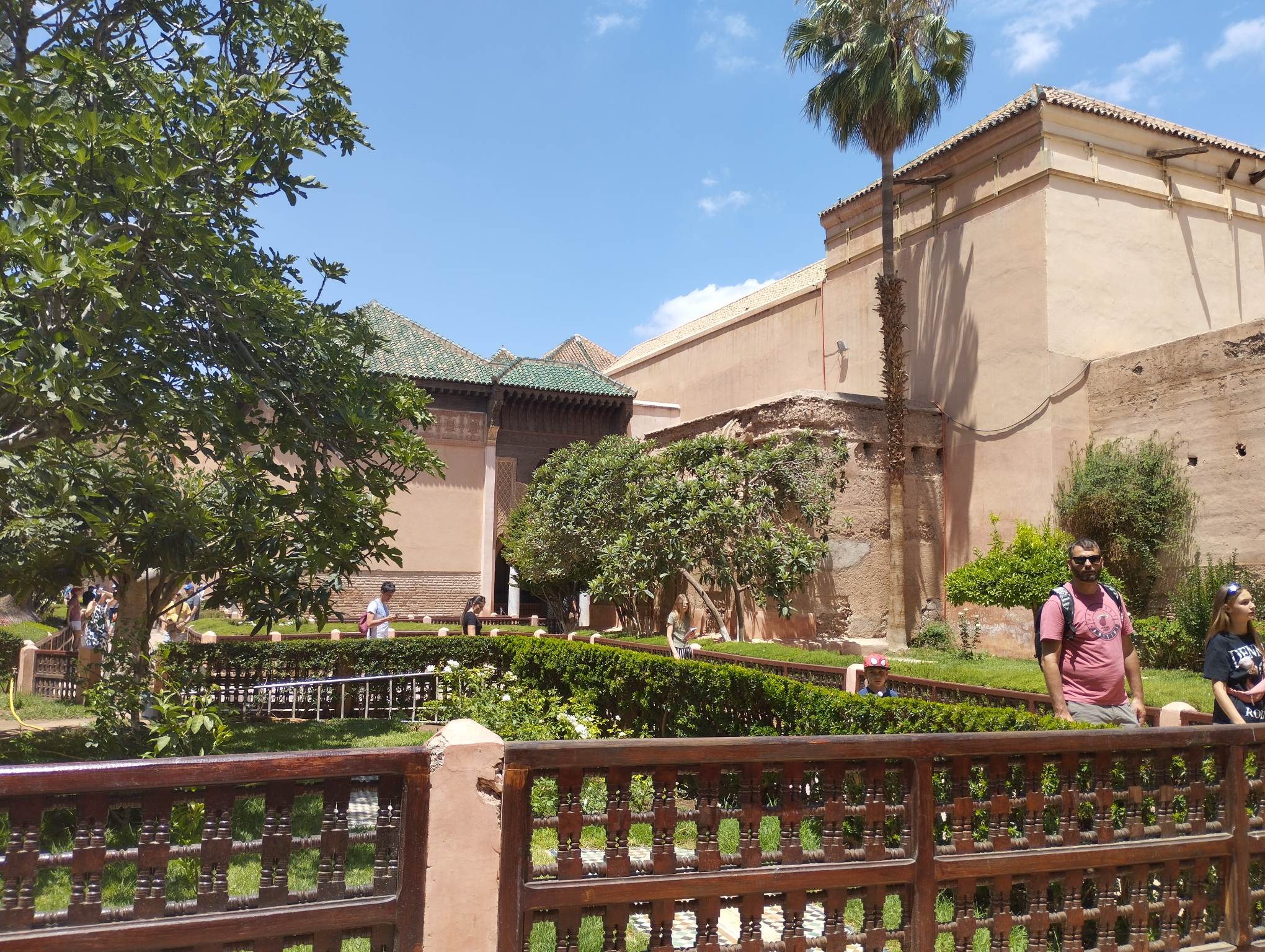
Take a moment to notice how locals dress and behave.
Comfortable, modest clothing works well most places.
A polite question opens doors and builds respect.
Simple actions help.
Take a breath. Do not rush.
Move to a public place.
Ask official staff or your accommodation.
They are there to help.
Pick a length. Shape it your way. Leave room to enjoy.
One strong southern circuit. It is busy, but it avoids pretending you can see the whole country in a week.
Open this itineraryEnough time to connect two major cities with the desert while keeping space for actual travel days.
Open this itineraryThe first route length that can hold north, desert and coast without every day becoming a transfer.
Open this itinerary
Logistics are handled so you can enjoy the sights, not the stress.
See suitable toursVerify these essentials.
Does the route fit your time and interests?
Is the area safe, quiet and well located?
Do transfers and connections make sense?
Do you have cover that suits your plans?
Have you checked current rules and documents?
Have you checked what is current right now?
Short, practical reads to help you plan well.
Last updated: March 2026
The practical stuff: visas, cash, what to wear, what to pack, culture shock, language, and what the first few hours actually feel like.
You need: a valid passport (minimum 6 months validity remaining), a return or onward ticket, and proof of accommodation for at least the first night.
Most English-speaking visitors do not need a visa for Morocco. The following nationalities can enter Morocco visa-free for tourism (up to 90 days):
You need: a valid passport (minimum 6 months validity remaining), a return or onward ticket, and proof of accommodation for at least the first night. You will be asked for these at the border.
Always check the official government travel advisory for your country before departure. Visa rules change. The above was accurate as of March 2026 but should be verified before you book.
See the full Morocco visa guide.
This is one of the most-searched Morocco questions and it matters more than most travel guides acknowledge.
The principle: Morocco is a predominantly Muslim country. In the medina cities (Marrakech, Fes, Meknes), modest dress is both respectful and practical. In coastal cities (Essaouira, Agadir) and Chefchaouen, the dress code is more relaxed.
For women in medina cities:
For women in coastal cities and Chefchaouen:
For men:
In the Sahara:
This is not about cultural submission. It is about practicality and about reducing unnecessary friction. Loose linen is also just the right clothing for a hot, dusty, walkable destination.
See the full women’s packing and dress guide.
Essentials:
For the medinas:
For the Sahara:
For mosque visits:
Note: Morocco now requires most mosques to be closed to non-Muslim visitors. Some historic sites and mausolea remain open. Check ahead.
See the full Morocco packing list post.
The Moroccan Dirham (MAD) is a closed currency.
Morocco is primarily a cash society. Cards work at major hotels and some mid-range restaurants. For everything else, including taxis, street food, local cafés, and souk purchases, you need cash.
The Moroccan Dirham (MAD) is a closed currency. You cannot buy it outside Morocco. Get cash from an ATM on arrival at the airport (ATMs are available in the arrivals hall) or from bank ATMs in the city. Bank-attached ATMs give better exchange rates than standalone machines and airport exchange booths.
Carry: 500-1,000 MAD for your first day. Use ATMs thereafter. Keep your spending cash separate from your emergency cash (a folded note in a different pocket is the standard approach).
See the full Morocco cash guide and the ATM safety guide.
Morocco hits hard on arrival for most first-timers. Here is an honest description of what the first few hours are like, so it does not catch you off guard.
Marrakech airport is manageable. The exit is where the first approach from unofficial taxi drivers happens: ignore them and proceed to the official taxi rank or your arranged transfer.
The drive to the medina is fine. The arrival at the medina gate is where most first-timers feel the overwhelm. The alleyways narrow. The sounds multiply. A tout appears and offers to help you find your riad. Say “la shukran” and consult your offline map.
Your riad will have a locked door. Ring the bell. Go inside. Sit down. Have tea.
Most people describe the first day as the hardest and then note that “once you find your footing, it settles quickly.” That is accurate. Day two in Marrakech feels significantly different from day one. The medina that felt hostile and chaotic on arrival becomes navigable. The city that felt overwhelming reveals its rhythm.
The worst way to start a Morocco trip is to go out from the airport straight into Jemaa el-Fnaa at 4pm. The best way is to arrive at your riad, settle in, walk gently in the surrounding streets, and leave the main square for sunset or the following day.
“I had a feeling it wouldn’t be long before I was huddled up in a corner of my riad, trembling and refusing to go outside.” That is how a first day in Morocco can feel. Give it 24 hours. The city meets you once you stop fighting it.
Morocco has several languages: Moroccan Arabic (Darija), Amazigh (Berber), French, and some Spanish in the north. In tourist areas, English is spoken at hotels, riads, and many restaurants. In the deeper medina, French is more useful.
The phrases that make a material difference:
| Arabic | Pronunciation | When to use |
|---|---|---|
| La shukran | ”La shoo-kran” | No thank you. The single most useful phrase in Morocco. |
| Shhal? | ”Sh-hal?” | How much? Use it before buying anything. |
| Barak allahu fik | ”Barak Allah oo feek” | Thank you. Locals appreciate it enormously. |
| Fin kayn…? | ”Fin kayn…?” | Where is…? Follow with a place name. |
| Safi | ”Safi” | Enough/finished. Use to end a negotiation politely. |
French basics (useful in restaurants and with older Moroccans):
See the full Morocco language guide.
A quiet coastal town and a working medina ask different things of you. The place sets the rhythm before any advice does.
Season, daylight and how busy a route is will move the answer more than most checklists admit.
Pace, company and how much you have travelled before matter more than a list of rules.
A short guided orientation can remove a lot of guesswork on a first visit, especially in a city you are trying to read on foot. It is a low-effort way to settle in.
Explora Morocco does not run tours. What follows is a partner listing, so check the pace, route and what is named on the page itself before booking.
See suitable toursParent pillar: Morocco trip planning
Conditions, rules and local realities change. Before you travel, verify entry information, current advice and anything practical this guide describes. A guide stays useful only while its information is current.
Yes, with preparation. First-time solo travel in Morocco is achievable and worth doing. It is a steeper learning curve than solo travel in Portugal or Thailand, but the preparation resources are now strong and the experience of navigating Morocco independently is part of what makes it memorable. Read the solo female travel guide if relevant.
Spring (March-May) and autumn (September-November) are the ideal windows. Temperatures are comfortable, the light is extraordinary, and the Sahara is not brutally hot. Avoid the Sahara in peak summer (June-August). Marrakech in July is manageable but hot (35-40°C regularly). Winter is fine for the cities and surprisingly beautiful in the Sahara.
The Moroccan Dirham (MAD). It is a closed currency. You cannot buy it before you travel. Use airport ATMs on arrival and bank ATMs throughout the trip. Cards work at major hotels and some restaurants.
No. Stick to bottled water throughout the trip. This applies to ice in drinks as well, check that your restaurant or hotel uses filtered ice. Morocco has good bottled water available everywhere.
No specific vaccines are required for entry to Morocco. Hepatitis A and typhoid are recommended by most travel medicine clinics for Morocco travel. Rabies vaccination is worth discussing with your GP if you plan to spend time in rural areas. Check with your GP or travel clinic 4-6 weeks before departure.
Next: Morocco Safety Guide | Morocco Scams Guide | Morocco Itineraries